

Advanced Blemish removal
Our Advanced Blemish Removal Course run by Dr Rebecca Carter Thomas is designed for aesthetic practitioners who want to safely, ethically, and confidently expand their treatment portfolio with a highly profitable, low-cost skin service.
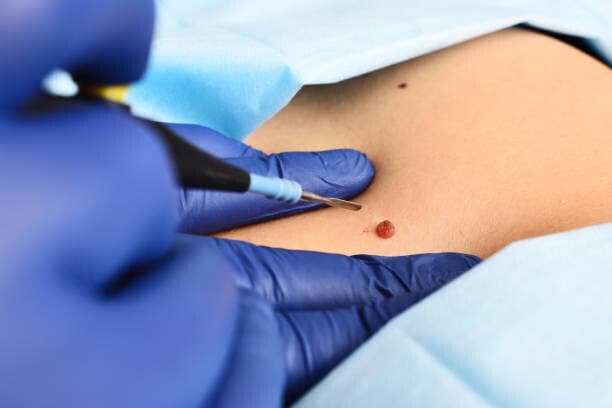
This comprehensive course equips you with the theoretical knowledge and practical expertise required to assess, treat, and remove a wide range of common skin blemishes using diathermy, while working strictly within scope of practice and prioritising patient safety at every stage.
All theoretical learning is delivered online, allowing you to study flexibly at your own pace before attending a face-to-face practical training day with Dr Rebecca Carter Thomas, where you will refine your technique and build real clinical confidence.
What You’ll Learn
You will develop advanced skills to:
- Carry out a thorough and safe consultation
- Identify and assess a wide range of skin blemishes
- Recognise lesions that are not suitable for aesthetic treatment
- Formulate individualised treatment plans
- Deliver safe, effective diathermy treatments
- Provide clear aftercare and homecare advice
- A strong emphasis is placed on health, safety, hygiene, and clinical governance, ensuring that treatments are delivered to the highest professional and regulatory standards.
- Patient Safety, Mole Checking & Clinical Governance
- You will be trained to work strictly within your scope of practice, with clear guidance on identifying lesions that must not be treated within an aesthetic setting.
- A key element of the course focuses on the safe integration of mole checking services prior to blemish removal, ensuring patients are appropriately screened and protected before treatment. You will learn:
- How to recognise red flag lesions, suspicious skin changes, and warning signs of malignancy
- When not to treat and the importance of referral pathways
- How to safely integrate mole checking, mole mapping, dermoscopic assessment, and digital mole screening services into your consultation process
- How to signpost patients to appropriate medical or diagnostic services prior to treatment
The importance of documentation, informed consent, and clinical decision-making
- This structured approach supports best practice, protects both practitioner and patient, and aligns with ethical, insurance, and professional standards, ensuring blemish removal is only performed when it is safe and appropriate to do so.